APPROVAL RATE OPTIMIZATION

Every decline tells you something.

A declined payment isn’t always a lost customer. We analyze authorization patterns to uncover avoidable declines and protect legitimate revenue.

Illustrative laptop workspace on an oak desk with a green mug, notebook and pen; the text-free screen is decorative.

Not all declines are fraud.

  • Insufficient funds

    Issuer response

  • Do not honor

    Issuer response

  • AVS mismatch

    Address verification result

Find patterns. Investigate the reason.

A response is a starting point—not a diagnosis.

Illustrative workspace and sample responses—not customer results.

The goal is not to approve every transaction. The goal is to understand avoidable declines.

  • Find patterns
  • Reduce avoidable declines
  • Protect legitimate revenue

PAYMENT INSIGHTS

One number rarely explains the whole problem.

Look beneath your overall approval rate to see where payments break down.

Compare segments to find where to investigate next.

OVERALL APPROVAL RATE

68.32%

The average is only the starting point.

ILLUSTRATIVE SAMPLE

Compare by transaction type

Initial payments
74%Approval rate
Recurring payments
58%Approval rate

In this sample, recurring payments have a lower approval rate.

Review them separately before drawing conclusions.

Sample data only—not customer results.

Choose a segment above to compare.

WHAT THIS TELLS YOU

Transaction type, processor or merchant ID, and issuer can reveal differences hidden by the overall average. These patterns guide investigation; they do not establish the cause of a decline.

OTHER VIEWS TO REVIEW

  • BIN
  • Country
  • Decline reason
  • Time period

Segmentation creates context.

Start with the pattern. Investigate the reason.

How to read this example

All values are illustrative sample data, not customer results or benchmarks. Transaction type, processor or merchant ID (MID), and issuer are independent slices, not a combined breakdown.

Without segment volumes, an overall approval rate cannot be derived from the displayed rates. The overall figure stays constant for context; no paired comparison is presented as calculating it.

Differences identify where to investigate, not the cause of a decline. Compare initial and recurring payments separately, review transaction mix and setup for merchant IDs, and consider issuer patterns alongside transaction context. BIN, country, decline reason, and time period can add further context.

UNDERSTANDING DECLINES

A decline reason changes what should happen next.

Understanding the reason helps you choose a better next step.

Review the response before deciding how to proceed.

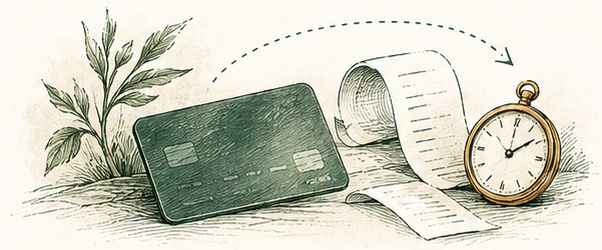
Conceptual ink-and-wash vignette of a payment card, receipt, clock and return arrow, suggesting a response to review rather than guaranteed recovery.

01 / REVIEW THE RESPONSE

Soft declines

Potentially recoverable

A temporary issue may have a path forward.

COMMON EXAMPLES

  • Insufficient funds
  • Temporary issuer decline
  • Processing issue

NEXT STEP

Review before retrying.

Follow issuer guidance and applicable retry rules. A retry is not guaranteed to be approved.

Conceptual ink-and-wash vignette of an old payment card, envelope, new card and coral boundary, suggesting a different approach when the response calls for it.

02 / CHANGE THE APPROACH

Hard declines

A different method may be needed

Repeating the same payment may not help.

COMMON EXAMPLES

  • Lost or stolen card
  • Invalid account
  • Account closed

NEXT STEP

Stop blind retries.

Request a new payment method when the response calls for it.

Examples only. Next steps depend on the specific issuer response and applicable rules.

Different reasons. Different next steps.

THE WHOLE PAYMENT ENVIRONMENT

Authorization performance depends on how the pieces work together.

Approvals are shaped by more than one provider or setting. We review the setup, the controls, and what happens after the first payment.

Conceptual ink-and-wash illustration of onboarding papers, a payment card and magnifier surrounded by foliage.

01 / THE FOUNDATION

Setup & data

What is configured—and what is sent.

Merchant setup
Review how the business, account and payment channels are configured.
Transaction data
Check the completeness and consistency of submitted payment details.EXAMPLE REVIEW FOCUS
Conceptual ink-and-wash illustration of a smartphone, payment card and shield surrounded by foliage.

02 / THE CONTROLS

Security & authentication

How risk and identity are evaluated.

Fraud controls
Examine rule triggers alongside approvals, fraud and disputes.
3DS / authentication
Review the authentication flow, customer friction and available issuer responses.
Conceptual ink-and-wash illustration of a payment card, calendar, envelope and loop surrounded by foliage.

03 / THE LIFECYCLE

Beyond the first payment

How saved payment relationships are maintained.

Tokens
Understand how saved credentials are stored and supported.
Account updater
Check availability and how credential updates are applied.
Retries
Review eligibility, timing and issuer or network restrictions.

EXAMPLE REVIEW QUESTION

Are the right payment details reaching the next provider?

A gap in one area can create questions elsewhere. Review the connections before choosing a change.

Find the weak link. Review the whole system.

The available options depend on your providers, integrations and payment environment.

Conceptual review framework—not a literal sequence for every transaction.

SUBSCRIPTIONS & RECURRING BILLING

The first approval is only the beginning.

Winning the first payment is one challenge. Keeping future payments flowing means adapting as cards expire, balances change and credentials evolve.

Illustrative coffee subscription packing workspace with an open parcel and two pouches, a second box, coffee cup, notebook and packing slip.
The customer relationship continues after checkout.
Explore Recurring Billing
  1. 01

    THE START

    First payment approved

    The customer starts the subscription. Record the initial payment separately from later billing.

  2. 02

    A LATER BILLING CYCLE

    Payment circumstances can change

    Cards expire, credentials change, and funds may be unavailable. A previous approval does not guarantee the next one.

  3. 03

    THE RESPONSE

    Choose the next step carefully

    Review the decline reason, available credential updates and permitted retry options. Some payments need customer action or a new payment method.

Review again at the next billing cycle

Recovery depends on the response and available tools. It is not guaranteed.

Measure initial and recurring approvals separately.

A strong first-payment result can hide friction in later billing cycles.

Initial paymentsRecurring payments

Protect the relationship beyond checkout.

From transactions to patterns

Ten declines are frustrating.Ten thousand declines are data.

Patterns help reveal where performance differs—and which questions deserve a closer look.

Illustrative sample data

01 / Compare accounts

Approval rate by MID

Share of attempts approved.

Merchant IDApproval rate
MID A88%
MID B82%
MID CReview the difference.74%

What to investigate

Does transaction mix or setup differ across these accounts?

02 / Read the responses

Decline reason mix

Share of declined attempts.

Decline reasonShare
Insufficient funds34%
Do not honor26%
Invalid account14%
Authentication11%
Other15%

What to investigate

Which responses recur—and what context sits behind them?

03 / Separate the lifecycle

Initial vs. recurring

Approval rates by payment type.

Initial payments
91%
Recurring payments
79%

What to investigate

Are later billing cycles facing different friction?

A pattern points to a question. It does not prove the cause.

Use the data to decidewhere to investigate.

Review differences alongside transaction context before testing a change.

Illustrative sample data for explanation only—not customer results or benchmarks. Each comparison is a separate view.

From insight to next steps

When the payment path deserves a closer look.

For businesses using multiple processors or merchant accounts, analysis can help identify whether routing deserves further investigation.

Compare the fit before changing the path.

Technology fit
Can the current integration support the option?
Agreements & eligibility
Is the path permitted for this business?
Risk requirements
Which controls must remain in place?
Explore Payment Orchestration

Available options depend on your technology, agreements and underwriting.

Illustrative routing review

Compare the eligible options.

Payment context

Review the business and transaction requirements.

Path A

Compare

Path B

Review the fit

Path C

Compare

A path worth reviewing is not automatically the right path.

Illustrative options—not a live routing recommendation.

Understand the difference before changing the path.

Routing must respect issuer, network, underwriting and risk controls.

Fraud controls & customer experience

Blocking fraud and blocking good customers are not the same thing.

Align protection with the way your customers pay.

Review customer friction and fraud exposure together before changing a rule.

Illustrative checkout still-life with a smartphone beside a retail box, tissue paper and olive fabric on a warm desk.

Friction affects real purchases.

The aim is to protect legitimate transactions while keeping risk in view.

More friction

Too restrictive

Customer experience
More good payments may be blocked.
Fraud exposure
Tighter screening can reduce exposure.

The objective

Better aligned

Customer experience
Reduce unnecessary payment friction.
Fraud exposure
Apply relevant controls and monitor results.

More exposure

Too permissive

Customer experience
Less screening may reduce friction.
Fraud exposure
More fraudulent payments may get through.

What to review

Which rules trigger, which customers are affected, and what happens to fraud and disputes?

Improve approvals while keeping risk in view.

Review approvals, fraud and disputes together.

  • Approvals
  • Fraud
  • Disputes

Conceptual comparison—not customer results or a universal rule setting.

Test. Measure. Decide.

Optimization should be measured, not assumed.

Establish a baseline. Test one controlled change. Compare the whole result.

  1. Establish a baseline
  2. Test one change
  3. Compare and decide

Illustrative comparison

One controlled change

MetricBaselineTest variationChange
Approval rate68.3%72.1%+3.8 pp
Chargeback rate0.72%0.70%−0.02 pp
Effective cost2.84%2.86%+0.02 pp

pp = percentage points

Read the tradeoff.

Approvals increased in this example, while effective cost also rose. Review all three measures before deciding.

Change should earn its place through evidence.

Measure approvals, risk and cost together.

Illustrative figures, not customer results. Testing depends on your technology and payment environment.

From payment data to direction

Your payment data has a story to tell.

Start with the records you already have. Connect the details, uncover patterns, and identify what deserves a closer look.

01The inputs

The pieces we bring together.

Source records
Authorization logs · Processor reports · Gateway exports
Transaction context
Transaction volume · Approval rate · Recurring billing data
Performance breakdowns
Decline response codes · MID / processor comparisons · Issuer / BIN patterns
Controls & recovery
Retry outcomes · Fraud-rule activity

02The review

A connected view

Organize
Make available records comparable.
Segment
Look beneath the overall average.
Investigate
Identify questions worth testing.

03What you learn

A clearer review brief

Patterns. Context. Next steps.

Approval insights
Where does performance differ across payment segments?
Decline patterns
Which responses recur, and in what context?
Prioritized questions
What should be reviewed before changing the setup?

A pattern is a starting point for investigation—not a diagnosis.

Use the data you have. Find the questions that matter.

The scope depends on available records. Issuer-level or BIN-level detail may not be accessible.

Explore the data we can review11 inputs, explained
Authorization logs
Approved and declined transactions, with available response details.
Processor reports
Fees, transaction volume and processing data.
Gateway exports
Transaction records and response files from your gateway.
Decline response codes
Reason codes and available issuer messages.
Transaction volume
Activity by time period, channel or product.
Approval rate
Overall authorization performance and differences by segment.
Recurring billing data
Subscription and rebill performance.
MID / processor comparisons
Side-by-side performance across merchant accounts or processors.
Issuer / BIN patterns
Trends by card type, issuer or region, where available.
Retry outcomes
Results associated with retry logic and routing.
Fraud-rule activity
AVS, CVV, velocity checks and rule triggers.

The exact analysis depends on what data sources are available. Issuer-level or BIN-level detail is not always accessible.

Illustrative review process. Insights depend on data availability and quality.

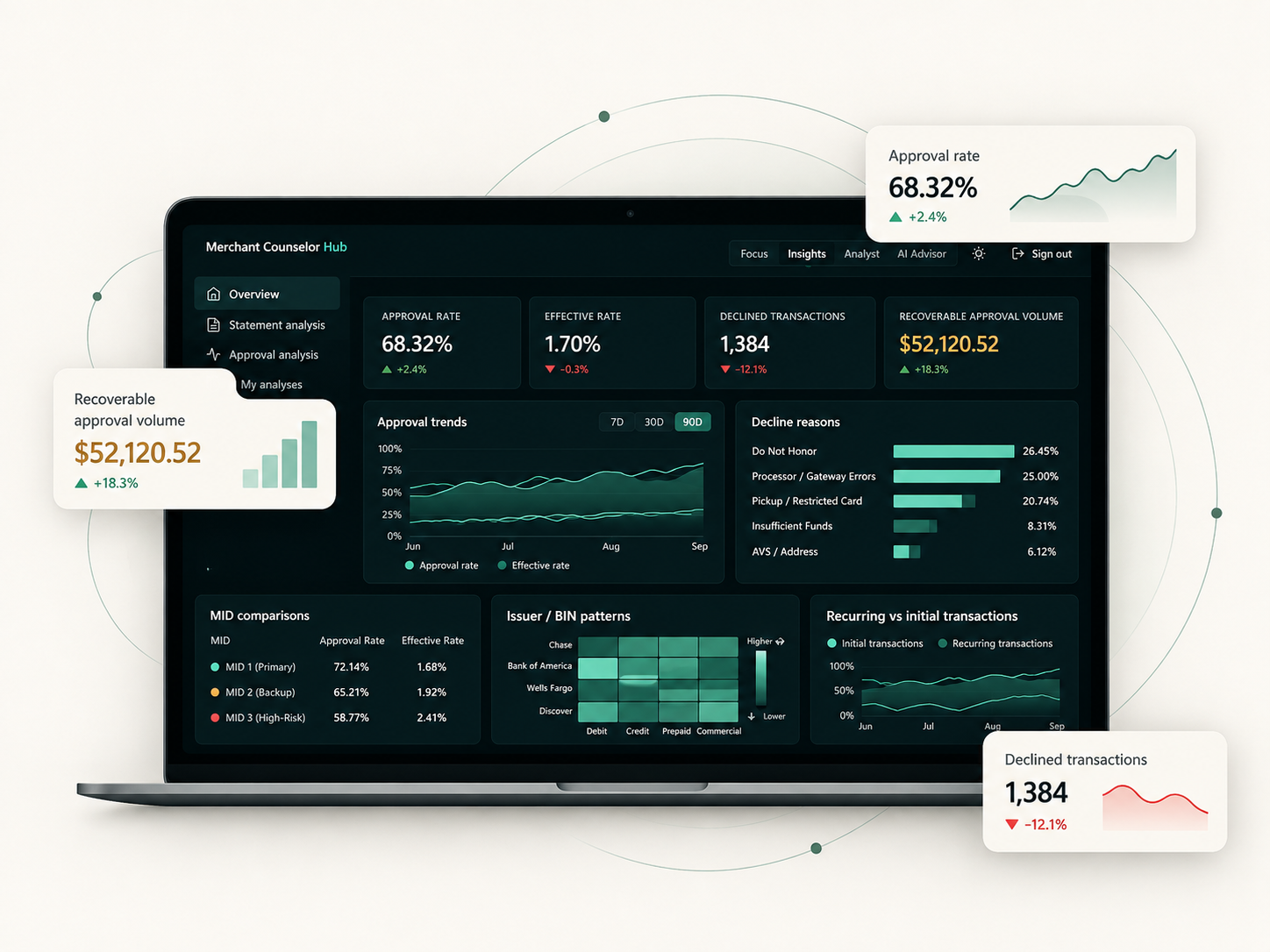
Merchant Hub — Being Built

Approval performance is easier to improve when it is easier to see.

Merchant Hub is being built to help businesses examine authorization performance and identify patterns that may deserve further investigation.

Explore Merchant Hub →
Merchant Hub dashboard preview showing approval rate, decline reasons, MID comparisons, issuer and BIN patterns, and recurring versus initial transactions (sample data).

How Merchant Counselor helps.

  1. Laptop displaying payment analysis beside a sketched workflow.

    Assess

    Gather available authorization data, reports and information about the current payment environment.

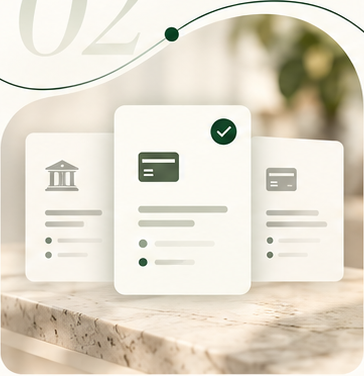
  2. Three payment option cards arranged for comparison.

    Advise

    Identify patterns, potential causes and changes that may be worth testing.

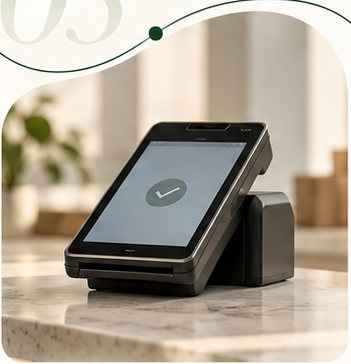
  3. Payment terminal showing a completed setup check.

    Implement

    Coordinate approved changes with processors, gateways, billing platforms or other providers when needed.

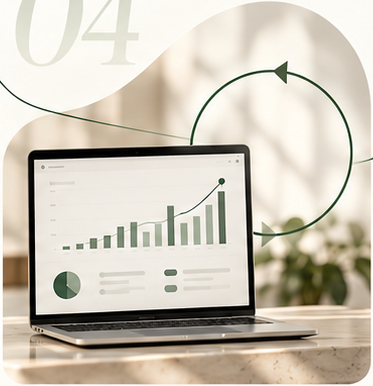
  4. Laptop showing payment performance improving over time.

    Optimize

    Measure the results and continue evaluating performance as transaction behavior changes.

Seeing too many declines?

Start with the data.

Tell us how you accept payments, what your approval performance looks like and what has changed. We'll help determine where to investigate.

Review My Approval Performance

No guaranteed approval-rate claims

Just better visibility and better questions.