



Specialized Payment Environments

Some businesses do not fita standard payment-processing box.

When your business model or payment profile needs specialized underwriting, we help evaluate a payment relationship that fits.

Find a payment partner that understands how your business operates.

Furniture maker reviewing an order on a laptop beside a custom wood table in his workshop.
$8,000
Custom order
50%
Deposit today
12 weeks
Until delivery

The payment arrives today. The obligation lasts longer.

Illustrative example · Underwriting and terms vary by provider and business.

Risk is more than an industry label.

Two furniture businesses. Two different payment profiles.

Two people moving an in-stock armchair across a bright furniture showroom.

Paid today. Collected today.

In-stock furniture · Immediate handover

A furniture maker planing a large custom wood table in his workshop.

Deposit today. Delivered in 12 weeks.

Custom furniture · Future fulfillment

Same industry. Different payment obligations.

  • Business & ownership

    What you sell, who owns it, and where you operate.

  • Transaction profile

    Payment amounts, volume and billing patterns.

  • Customer & fulfillment

    Delivery timing, refunds and customer terms.

  • Financial & processing history

    Prior processing, disputes and banking information.

What else may be reviewed?
Business & ownership
Business model, ownership and legal structure, websites, products and services, marketing practices and geographic exposure.
Transaction profile
Expected monthly volume, average and maximum ticket, high-ticket transactions, recurring billing, transaction patterns and rapid growth.
Customer & fulfillment
Fulfillment time, digital delivery, refund policies and customer terms.
Financial & processing history
Chargeback history, prior processing relationships and banking information.

Illustrative examples. The exact review depends on the processor, acquirer and business model. This is not a universal or exhaustive list.

Choose how your customers pay.

Pick and choose payment methods based on your customers and your business.

Furniture maker using a laptop in his workshop, with a wooden dining table and chairs in the foreground.

Your furniture business

In store. Online conversations. Customer deliveries.

CURRENT SETUP

Customers pay via
check or card in person.

  • OPTION 1

    Refresh the in-person setup

    Check and card in person, with newer equipment and potentially lower rates.

    Rates depend on review.

  • OPTION 2

    Add remote payments

    ACH and card in person, plus payment links for customers who are not on site.

  • OPTION 3

    Accept payments at delivery

    Pay at the store, through a payment link, or with a wireless terminal at delivery.

Build around the way your customers buy.

Choose one approach or combine the methods that fit.

Illustrative options. Availability, equipment, connectivity and pricing depend on provider, underwriting and business needs.

Preparing for underwriting

The processor should understand the business before the first transaction is processed. Clearly disclose the actual operation and establish accurate expectations on both sides.

  • Accurate legal-entity, ownership, website and product documentation.
  • Actual payment flows, recurring billing, fulfillment, refund policies and customer terms.
  • Expected volume, average and maximum ticket, geography and marketing practices.
  • Processing and chargeback history, current processor and gateway, reserves, funding and limits.

Underwriting Sequence

  1. 01

    Business Model

  2. 02

    Documentation

  3. 03

    Underwriting

  4. 04

    Processing Terms

  5. 05

    Live Payment Environment

Scope depends on the merchant and the processor's underwriting requirements. Material information must be disclosed fully, not withheld or minimized. Processor policies, acquirer and card-network requirements, laws, underwriting standards and risk tolerances still apply. Merchant Counselor helps identify alignment — not bypass restrictions or promise approval.

Understand the terms before you commit.

Operating limits, funding schedules and reserves can affect how your business uses its cash.

  • Processing limits

  • Funding timing

  • Dispute monitoring

  • Account reviews

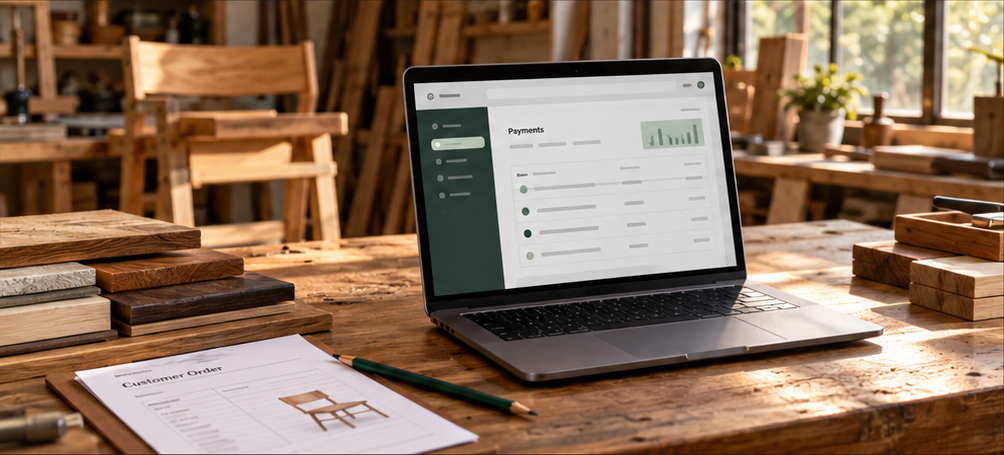
Laptop showing a payments overview on a furniture workshop bench beside a customer order, wood samples and a pencil.

Sales aren’t the same as available cash.

ILLUSTRATIVE BREAKDOWN

  • Sales processed
  • Less processing fees
  • Less funds held in reserve

    Held funds are separate from processing fees.

  • Available for deposit

Reserve release is subject to account terms.

  • Rolling reserve

    A portion of processing volume is held, with release governed by account terms.

  • Upfront / fixed reserve

    A specified reserve amount may be required.

  • Dynamic risk controls

    Funding or reserve requirements may change based on account performance or processor policy.

A reserve is not simply another processing fee. A processor or acquiring bank may hold funds against future refund, chargeback or fulfillment exposure.

Operating terms to review
  • Monthly processing and maximum ticket limits.
  • Funding schedules and delayed settlement.
  • Chargeback thresholds and volume monitoring.
  • Additional documentation and periodic review.

How much is held—and when can you access it?

Ask why funds are held, for how long, and what governs release.

Illustrative example. Conditions do not apply to every merchant. Funding and reserve terms vary by processor and account.

Build for stability and future changes.

Plan for how your business operates today—and what may change tomorrow.

Furniture showroom with a wooden dining table and a desktop computer displaying the same furniture online.

ACCOUNT STRUCTURE

Your accounts should reflect your business.

Align your entities, brands and payment channels with the way you actually operate.

Explore Payment Architecture →
Details to consider

One properly aligned processor and merchant account may be enough. Multiple brands, websites, entities or payment environments must accurately reflect the business, product lines, transaction types and geography, and fit processor capabilities.

Structure must comply with processor, acquirer and card-network requirements — never distribute volume to obscure risk or avoid monitoring.

Furniture maker checking a clipboard while two delivery workers load a protected wooden table into a truck.

CONTINUITY PLANNING

Have a plan before something changes.

Understand your dependencies, keep records current, and review alternatives where appropriate.

Details to consider

Understand contracts, maintain documentation and integrations, monitor account health, and evaluate alternative providers where appropriate. Plan for changes in risk appetite, restrictions or account termination.

Contingency planning is not avoiding underwriting. No advisor can promise backup approval or uninterrupted processing.

Backup approval and uninterrupted processing are not guaranteed.

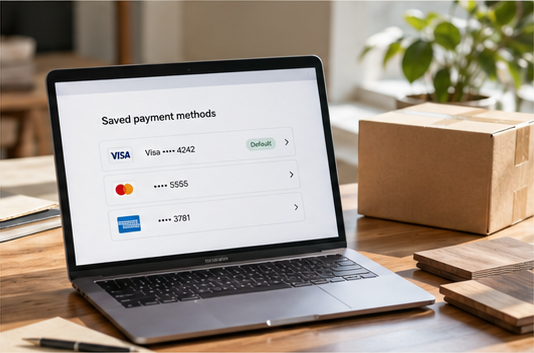
Laptop showing saved payment methods on a wooden workshop table beside a shipping box and wood samples.

TOKEN PORTABILITY

Know what can move with you.

Check where credentials are stored and what your providers support when relationships change.

Explore Payment Gateways →
Details to consider

For stored customers and recurring revenue, understand gateway dependencies, where credentials are tokenized, and whether gateway or network tokens can be exported or migrated if the processor relationship changes.

Portability depends on provider technology, contracts and supported migration methods.

Migration depends on provider technology, contracts and supported methods.

Build a payment setup that can evolve with your business.

Illustrative scenes. Account structure must reflect the business and meet processor, acquirer and card-network requirements.

Getting approved is only the beginning.

Protect the payment relationship

Processors and acquiring banks may closely monitor disputes, especially with recurring billing or delayed fulfillment. Review dispute ratios and reason codes, refund and cancellation practices, customer communication and fulfillment records. Fraud controls, pre-dispute alerts and RDR where available may help reduce avoidable disputes.

Explore Chargeback Management →

Measure transaction authorization

Merchant underwriting approval is permission to support the business, not a guarantee that individual transactions will authorize. Compare approval rates, decline reasons and MID performance across initial and recurring payments, with issuer patterns where available, gateway configuration and fraud controls in context. Different payment paths may perform differently; neither outcome is inherent to specialized processing.

Explore Approval Rate Optimization →

How Merchant Counselor helps.

  1. Laptop displaying payment analysis beside a sketched workflow.

    Assess

    Understand the business model, payment flow, processing history, risk profile and current payment relationships.

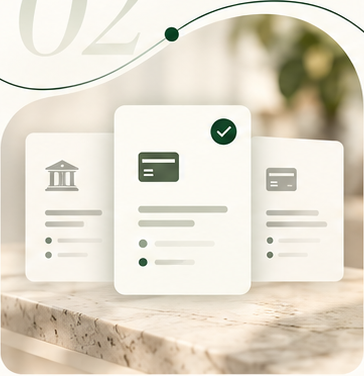
  2. Three payment option cards arranged for comparison.

    Advise

    Identify processors, merchant-account structures and payment technologies that may be better aligned with the merchant's actual operation.

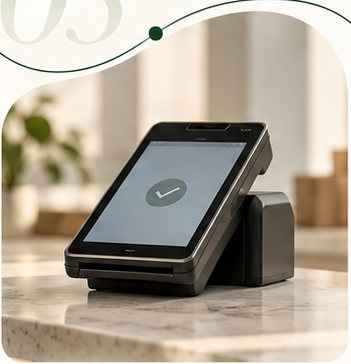
  3. Payment terminal showing a completed setup check.

    Implement

    Help coordinate applications, documentation, gateways, processors and payment infrastructure when an appropriate relationship is available.

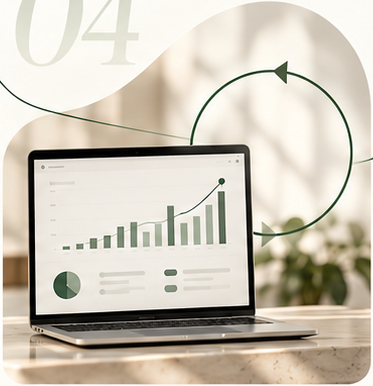
  4. Laptop showing payment performance improving over time.

    Optimize

    Monitor payment performance, chargebacks, operating limits and account structure as the business evolves.

Does your business need a more specialized payment relationship?

Tell us what your business does, how customers pay and what challenges you are experiencing.

Review My Payment Needs

Transparent underwriting. Better alignment. No approval promises.